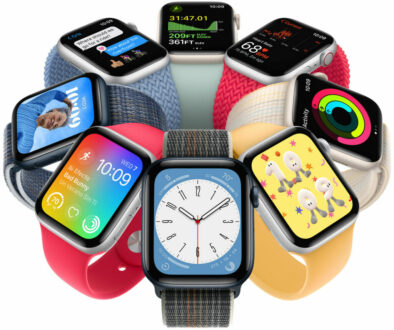
Why I Picked Apple Watch SE 3 Over Apple Watch Series 11 (and don’t regret it)
I went shopping fully expecting to buy the Apple Watch Series 11. It is the new flagship, packed with sensors, wrapped in a shinier spec sheet, and clearly positioned as the “best” Apple Watch you can buy. But when I put price, features, and how I actually use a smartwatch under the microscope, I walked out with an Apple Watch SE 3 instead and I haven’t once felt I settled for less.
For most people, a smartwatch is a daily companion for notifications, fitness tracking, basic health insights, and the occasional phone‑free walk or run. In all these areas, the SE 3 now overlaps so heavily with the Series 11 that the extra money buys surprisingly little real‑world benefit. The gap between “SE” and “Series” used to be obvious; with this generation, it has closed enough that the value equation flips completely.

Overview
- Price-to-value flipped the decision: The SE 3 delivers most of the real-world experience for significantly less money.
- Core features overlap heavily: Notifications, fitness tracking, Apple Pay, messaging, and apps feel virtually identical day to day.
- Performance feels flagship-level: Smooth navigation, fast apps, and modern watchOS features remove any “budget” feel.
- Always-on display closes the historic gap: One of the biggest past compromises is no longer an issue.
- Health extras didn’t justify the premium (for me): ECG and blood oxygen are impressive, but not features I rely on regularly.
- Design and comfort still feel premium: Lightweight, durable, and compatible with the full strap ecosystem.
I’ll walk through why I picked the Apple Watch SE 3 over the Series 11, and how it performs in day‑to‑day life. We’ll start with the most obvious factor; price before looking at what you actually get for your money in terms of core features, design, and comfort on the wrist. By the end of Section 3, you should have a clear sense of whether the flagship really makes sense for you, or whether, like me, you’re better off with the “budget” model that doesn’t feel budget at all.
Pricing and Value: Where the Decision Really Started
The first reality check came when I looked at the price difference between the Apple Watch SE 3 and the Apple Watch Series 11. Depending on configuration and region, the SE 3 undercuts the Series 11 by roughly the cost of a nice pair of AirPods or a stack of accessories, yet the core experience is much closer than the price tags suggest. That gap becomes even more obvious once introductory discounts and seasonal sales start to hit the SE 3, while the Series 11 holds closer to its premium launch price for longer.
So what does that extra money actually buy you on the Series 11? On paper, you get more advanced health sensors (such as ECG and blood oxygen), a brighter display that holds up better under harsh sunlight, slightly more premium case options, and marginally better battery life. Those differences are real, but for many everyday users they live at the edges of the experience rather than at the centre of what you do with your watch every hour of the day.
If your main activities involve glancing at messages, closing your activity rings, and controlling media, the return on that extra investment shrinks quickly.
Money Better Spent Elsewhere
For me, that price difference is better spent elsewhere. With the money saved by choosing the SE 3, I could grab an extra band or two, another charger for the bedside, or even put it towards a future iPhone upgrade. More importantly, it lowers the psychological barrier to upgrading again in a few years when a genuinely transformative generation arrives. Instead of feeling locked into “making the most” of an expensive flagship, I can treat the SE 3 as a sensible, high‑quality tool with a realistic upgrade path.
Features over Value Don’t Stack Up
This is where the SE 3 fits perfectly with a value‑driven tech mindset. You are not paying for features you may try once and forget; you are paying for the features that genuinely shape your day. When you view the purchase through that lens, the SE 3 becomes less of a compromise and more of a smart financial decision, the watch that gives you 90% of the experience for significantly less than 90% of the price.
Core Features Parity – The Stuff I Use Every Day
If price sparked the rethink, feature parity sealed the deal. The Apple Watch SE 3 no longer feels like a cut‑down version of the “real” Apple Watch. It runs the same generation of software as the Series 11, packs a modern processor, and supports the newest watchOS features that actually change how you interact with the watch. In day‑to‑day use, performance feels fluid: apps open quickly, animations are smooth, and navigation is immediate enough that you rarely stop to think about speed at all.
One of the biggest historic compromises with older SE models was the lack of an always‑on display. That made them feel a bit more like fitness bands than full smartwatches. With the SE 3, that gap closes: you can now glance at your wrist and see the time and complications without a dramatic wrist flick. In practical terms, this is one of the biggest quality‑of‑life improvements, and it brings the SE 3 experience much closer to that of the Series 11 in everyday situations like meetings, workouts, or simply walking down the street.
In terms of functionality, everything I actually rely on is present on the SE 3. I can check notifications, respond to messages with quick replies or dictation, control music and podcasts, use Apple Pay on the go, and track a wide range of workouts. The latest gesture controls; like tapping fingers together to trigger actions are available too, making it easier to interact with the watch when the other hand is busy. All of this mirrors what you can do on the Series 11; there is no sense that the SE 3 is running a second‑class version of watchOS.
Here’s what my typical day looks like with the SE 3: I start the morning checking my calendar and weather complications on the watch face, snooze an alarm, and perhaps clear a couple of overnight notifications. During the workday, I rely on silent notifications, quick timers, and Apple Pay when I pop out for lunch. In the evening, I track a workout, control media, and close my rings. At night, I throw it on the charger. At no point during any of this do I think, “I wish I had a Series 11 instead” – because for these tasks, the SE 3 already feels like the same watch.

Design and Comfort – Small Differences, Big Enough?
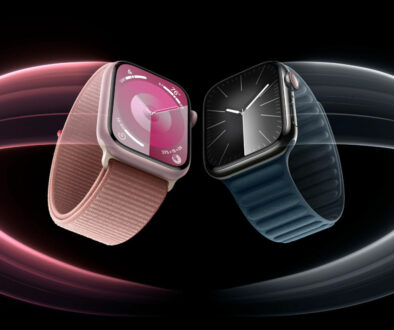
Once you put the SE 3 and Series 11 side by side, the design differences become mostly a matter of subtlety. Both follow Apple’s familiar rectangular design language with rounded corners and curved edges, and both are available in multiple case sizes aimed at smaller and larger wrists. The SE 3 tends to come in slightly more modest size options, while the Series 11 extends a bit larger for those who prefer a bigger canvas. On the wrist, though, the family resemblance is strong enough that most people would struggle to spot which model you are wearing at a glance.
Materials and finishes are one of the areas where the Series 11 pulls ahead on paper. You can move into more premium case options, and the display glass can be tougher in the flagship line‑up. The SE 3, however, uses aluminium and toughened glass that is more than adequate for everyday bumps and scrapes. With a good screen protector or careful use, it holds up well to real‑world wear. For many buyers, the aluminium finish even has an advantage: it is lighter, which translates into better comfort during workouts and overnight if you track sleep.
Comfort is where the SE 3 quietly shines. Because it is lighter and slightly less bulky than the largest Series 11 configurations, it almost disappears on the wrist during the day. If you wear your watch for long stretches at the office, in the gym, and then into the evening, that difference matters more than a marginally nicer finish. The SE 3 still supports the same strap ecosystem, so you can dress it up or down with different bands; it is the same style playground, just with a more wallet‑friendly foundation.
Durability has also improved to the point where the SE 3 is not the fragile “budget” option it might once have been. The casing and glass are designed to withstand everyday life, from accidental knocks on doorframes to sweat during workouts and the occasional rain‑soaked run. When you combine this with the comfortable weight and familiar design language, you end up with a watch that looks and feels like a modern Apple Watch in every way that actually matters. The Series 11 may win spec sheet battles in materials, but on the wrist, the SE 3 delivers a confident, understated experience that fits right in with the rest of the Apple ecosystem.
Performance and Battery: Good Enough vs Slightly Better
Under the hood, the Apple Watch SE 3 uses a modern chip from the same generation as the Series 11, and that shows up in everyday responsiveness. Apps open quickly, swiping between watch faces feels smooth, and voice dictation or Siri commands register without the awkward pauses that used to plague older models. In short, it behaves like a current‑generation Apple Watch, not a cut‑down budget experiment.
Where the Series 11 edges ahead is not so much in raw speed, but in headroom. If you stack heavy tasks together; GPS workouts, music streaming, third‑party fitness apps, and lots of notifications, the flagship can feel a touch more unflappable, especially a few years down the line. For my use, though, that extra headroom remains theoretical rather than tangible. In day‑to‑day tasks like checking messages, logging workouts, and controlling media, the SE 3 never feels strained.
Battery life is a similar story: the Series 11 is technically better, but the SE 3 is practically good enough. I can get through a full day of mixed usage, notifications, a workout, and some music control and still have enough charge left in the evening. If I know it will be a heavier day, enabling low‑power mode pushes it comfortably into the next morning. The Series 11 typically lasts a bit longer, which is useful for very long days or back‑to‑back workouts, but that advantage rarely changes my routine.
Fast charging helps level the playing field even further. A short top‑up while I shower or sit at my desk is usually all it takes to recover from a heavier day. That means the difference between “good enough” battery and “slightly better” battery matters far less in reality than on a spec sheet. Unless your lifestyle involves long stretches away from a charger or all‑day GPS tracking, the SE 3’s performance and battery life are more than adequate.

Health and Fitness: What I Actually Track
Health features are where Apple draws a clearer line between the SE 3 and Series 11, but the question is which of those features you will genuinely use. On both watches, you get accurate heart rate tracking, automatic workout detection for common activities, GPS for outdoor runs and walks, and the familiar Activity rings that turn daily movement into a simple, motivating target. For most people, these are the pillars of smartwatch fitness, and the SE 3 handles all of them confidently.
Sleep tracking has also matured enough that it is genuinely useful on the SE 3. You can see how long you slept, when you were in different sleep stages, and how your overall sleep patterns shift through the week. Combined with gentle nudges to wind down or meet your sleep goal, it gives a decent picture of your rest without becoming overwhelming. Throw in features like mindfulness reminders, cardio fitness notifications, and basic trend tracking, and you have a solid wellness companion without needing the flagship.
What’s Missing: ECG Reading, Blood Oxygen, Hypertension
Where the Series 11 pulls ahead is in advanced health sensors and the deeper data they unlock. You gain ECG readings for more detailed heart rhythm checks, blood oxygen measurements, and potentially more advanced trend insights as Apple rolls out new software features. For some people, especially those with specific cardiac concerns or who love quantifying every aspect of their health, these tools are genuinely valuable. For others, they become novelty features you try once, show to friends, and then rarely revisit.
Personally, my needs sit firmly in the “fitness first, medical‑grade second” camp. I care more about closing my rings, tracking runs, and getting gentle nudges to stand or move than I do about running ECGs on my wrist. For proper medical concerns, I still talk to a doctor, and I treat the watch as a helpful guide rather than a diagnostic device. That mindset makes the SE 3 the better match: it gives me the health features I actually use, without charging me extra for advanced sensors that would mostly gather digital dust.
Software Longevity and Future‑Proofing
One of the biggest historical concerns with Apple’s SE line has been longevity: will it get left behind earlier than the flagship? With the SE 3, that concern is much smaller. Because it shares the same chip generation as the Series 11, it sits on equal footing when it comes to running the latest version of watchOS. That means new features, security updates, and performance optimisations arrive on the SE 3 alongside the flagship, at least for the bulk of its supported life.
This hardware parity translates directly into a longer useful lifespan. You are not buying a watch that feels slightly old the moment you put it on; you are buying something designed to stay relevant for several major software releases. In a world where smartwatches are increasingly central to payments, health tracking, and even identity (think digital keys and passes), that ongoing software support matters just as much as the initial feature set.
From a value perspective, this is where the SE 3 shines brightest. If both SE 3 and Series 11 are likely to receive a similar number of watchOS updates, then the cost‑per‑year of usable life tilts heavily in favour of the SE 3. You get most of the same features, similar long‑term support, and a much lower initial outlay. For anyone trying to balance tech enthusiasm with financial realism, that is a compelling equation.
Storage also helps with future‑proofing. With enough space for apps, music, and a selection of watch faces, the SE 3 leaves room to grow as your usage evolves. I can install the fitness and productivity apps I care about now, and still have headroom for whatever clever watch‑first experiences arrive over the next few years. That means the SE 3 is not just a smart choice today; it is set up to stay useful well into the future.
Real‑World Use Cases: Who Should Pick Which?
At this point, the choice between Apple Watch SE 3 and Series 11 is less about raw capability and more about matching the watch to your lifestyle. To make it clearer, it helps to think in terms of user types instead of feature lists. Ask yourself where you sit on the spectrum from casual user to health‑data obsessive, and how often you genuinely push your tech to its limits. That will do more to guide your decision than any individual spec.
Purely a Budget Decision
If you are a budget‑conscious user who simply wants the full Apple Watch experience; notifications, fitness tracking, Apple Pay, and a modern design, the SE 3 is an easy recommendation. You get the same core experience, an always‑on display, strong fitness features, and a watch that will stay current for years, all while saving a meaningful amount of money. For office workers, students, parents, and anyone whose workouts revolve around the gym, walks, and occasional runs, the SE 3 is more than enough.
Need to Track Certain Health Parameters: ECG, Oxygen Saturation, Health Issues
If you lean towards the health‑focused end of the spectrum, the calculus changes. People with known heart issues, those following doctor guidance that uses ECG or oxygen saturation readings, or serious athletes who obsess over every metric may find the Series 11 worth the premium. The additional sensors and extended battery life add peace of mind and deeper insights. In this case, the extra cost is not about status; it genuinely buys capabilities you might rely on.
Just want the Latest (or Best Value)
For tech enthusiasts and early adopters, the answer depends on how much you value owning the very latest features versus making a rational purchase. If having the brightest display, every sensor, and the maximum spec line on your wrist matters to you, the Series 11 will scratch that itch in a way the SE 3 cannot. But if you are a tech fan who also enjoys good value, the SE 3 hits a sweet spot: it is modern and fast, yet inexpensive enough that you can upgrade again sooner without guilt.
Finally, endurance athletes and frequent travellers should think about how often they spend long stretches away from chargers. If you routinely do ultra‑long runs, multi‑day hikes, or back‑to‑back GPS sessions, the Series 11’s stronger battery may be worth it. For everyone else, including people who just need their watch to last from breakfast to bedtime with a workout in between, the SE 3’s “good enough” performance is exactly that, good enough, without feeling like a compromise every time you strap it on.
Why SE 3 Is the ‘Smart Buy’
Our focus is not just on what is newest or flashiest, but on what makes the most sense for real people spending real money. Looked at through that lens, the Apple Watch SE 3 fits perfectly into the “smart buy” category: it delivers the full Apple Watch experience where it counts, trims the genuinely niche extras, and comes in at a price that feels easier to justify for most readers. It is the pragmatic choice that still feels premium on the wrist.
Room to Grow Your Ecosystem
There is also a bigger ecosystem story here. By not overspending on the watch itself, you open up room in your budget for the accessories and add‑ons that actually change how you use it: extra bands for different occasions, a decent fast charger for your bedside table, maybe even a MagSafe stand or a better pair of wireless earbuds. Instead of sinking everything into a single flagship purchase, you spread your investment across a more complete, colourful setup that suits your lifestyle.
Sustainability and Longevity
From a sustainability and upgrade‑cycle standpoint, the SE 3 also aligns with a more thoughtful approach to tech. It is powerful and modern enough to last several years, yet affordable enough that upgrading later does not feel wasteful or extravagant. You are not locked into squeezing every last year out of a very expensive device; you are free to move on when the next genuinely meaningful leap arrives. That balance of longevity and flexibility is exactly the kind of value proposition we like to highlight.
Affordable Apple Device with Flagship Performance
In short, the SE 3 is the kind of product that encourages smarter tech habits. It gives you flagship‑adjacent performance and features without nudging you into overspending, and it leaves space for you to shape the experience around your own needs.
Why I Don’t Regret Skipping the Series 11
Stepping back, my decision to choose the Apple Watch SE 3 over the Series 11 comes down to a simple truth: I wanted the best experience for my money, not the biggest spec sheet. In everyday use, the SE 3 gives me the same smooth performance, the same always‑on convenience, and the same robust fitness tracking that I would lean on with the flagship. The areas where the Series 11 genuinely pulls ahead’ extra sensors, slightly better materials, marginally longer battery life, are not areas I rely on enough to justify the extra cost.
Instead, I get a watch that feels light and comfortable on my wrist, keeps up with my daily demands, and slots neatly into my broader Apple ecosystem without straining my budget. It does everything I need it to do today, and it is well‑positioned to keep doing it for years, thanks to modern hardware and ongoing software support. That makes it easier to enjoy owning it, rather than constantly wondering whether I should have spent more.
For readers of Colour My Tech, the takeaway is straightforward. If you know you will use advanced health features every week, or if you simply will not be happy without the absolute top‑tier model, the Series 11 still has a clear place. But if your priority is a great all‑round Apple Watch that feels modern, flexible, and sensibly priced, the SE 3 is likely the better fit. It is not the “cheap” option; it is the smart option and that is exactly why I picked it.